

Introduction
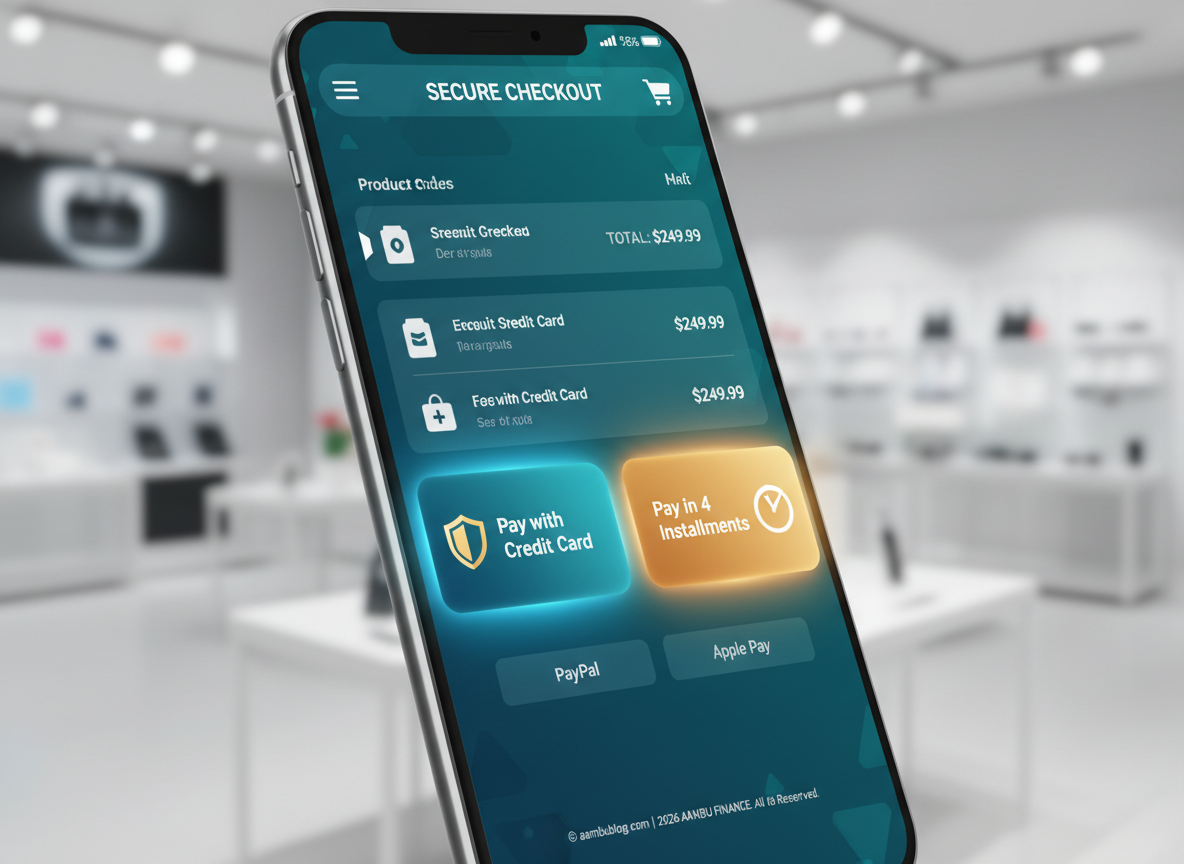
In 2026, the way Americans checkout at stores—both online and in-person—has fundamentally shifted. You are no longer just asked “Credit or Debit?” but also “Pay in 4?” Buy Now, Pay Later (BNPL) services like Affirm, Klarna, and Afterpay have exploded in popularity. While they marketed themselves as the “safer, interest-free” alternative to credit cards, the reality is more complex. As financial regulations catch up to these fintech giants, it’s time to look at which tool actually protects your money and your credit score better.
What is BNPL (Pay in 4)?
BNPL is a type of short-term financing that allows you to split a purchase into four equal installments. Typically, the first payment is due at checkout, and the remaining three are paid every two weeks.
- The Appeal: Most “Pay in 4” plans charge 0% interest and do not require a hard credit pull.
- The 2026 Update: Under new consumer protection rules, most BNPL providers now report on-time payments to credit bureaus, meaning they can finally help you build credit.
BNPL vs. Credit Cards: The Key Differences
| Feature | Buy Now, Pay Later (BNPL) | Traditional Credit Cards |
| Interest Rate | 0% (for Pay-in-4) | 18% – 29% (if not paid in full) |
| Credit Check | Soft Pull (usually) | Hard Pull |
| Consumer Protection | Limited | High (Fraud/Purchase Protection) |
| Rewards | Minimal to None | High (Cashback/Points) |
| Debt Trap Risk | High (Easy to overspend) | Moderate (Based on limit) |
Why Credit Cards Still Win on Safety
While BNPL is great for avoiding interest, credit cards offer superior Consumer Protections under the Fair Credit Billing Act.
- Fraud Protection: If your credit card info is stolen, you are legally liable for $0. With BNPL, disputing a fraudulent transaction can be a nightmare because the BNPL provider often requires you to settle the dispute with the merchant first.
- Purchase Protection: If your $1,000 laptop arrives broken or gets stolen from your porch, many premium credit cards will refund you. BNPL services rarely offer this “insurance” perk.
The Danger of “Phantom Debt”
The biggest risk with BNPL in 2026 is spending transparency. Because each $50 or $100 installment feels small, it is easy to have 5 or 10 different BNPL plans running at once. This “phantom debt” can quickly overwhelm your bank account, leading to overdraft fees and missed payments.
Conclusion
If you are buying a single item and know you can pay it off in 6 weeks, BNPL is a fantastic interest-free tool. However, for daily spending and large, expensive purchases, the Credit Card remains the safer choice due to its robust legal protections and rewards. Use BNPL for the “wants,” but stick to credit cards for the “needs” and the “protection.”
Frequently Asked Questions (FAQs)
Q1. Does BNPL hurt my credit score?
Answer: In 2026, most BNPL companies report to the bureaus. While on-time payments help, missing a payment will hurt your score just as much as a missed credit card payment.
Q2. Can I use a credit card to pay my BNPL installments?
Answer: Many BNPL providers have stopped allowing this to prevent “debt stacking” (using debt to pay debt). Most now require a debit card or bank account link.
Q3. Are there late fees with BNPL?
Answer: Yes. While some (like Afterpay) have capped late fees, others charge a flat fee of $7-$10 per missed installment, which can add up quickly.
Q4. Is BNPL better than a 0% APR credit card?
Answer: No. A 0% APR credit card (Article 26) usually gives you 12-21 months to pay, whereas BNPL only gives you 6-8 weeks. The credit card is the more powerful tool.
Q5. Can I return an item bought with BNPL?
Answer: Yes, but it’s a two-step process. You must return the item to the store, and then the store must notify the BNPL provider to stop your future payments. Keep paying your installments until you get a confirmation email that the plan is canceled!