

Introduction
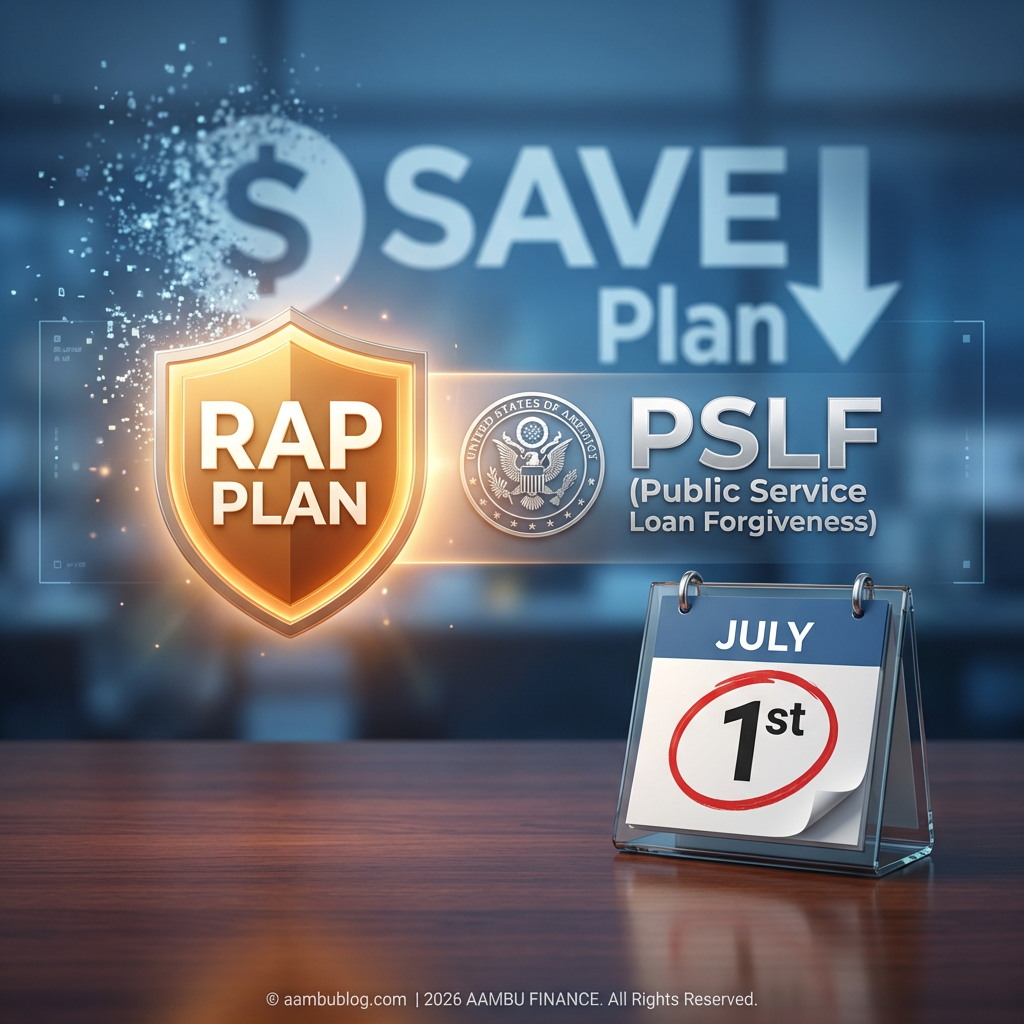
If you have federal student loans, April 2026 is a month of major transitions. After a year of legal battles, the Biden-era SAVE (Saving on a Valuable Education) Plan has officially been vacated by the courts. For the 7.5 million borrowers previously enrolled, the “interest-free” ride is ending, and a new system is taking its place. Here is everything you need to know about the 90-day transition window and the new Repayment Assistance Program (RAP).
1. The Death of the SAVE Plan
In March 2026, a federal court settlement officially ended the SAVE Plan.
- What happens now? Borrowers currently in forbearance will receive notices starting July 1, 2026.
- The 90-Day Deadline: You will have 90 days to select a new legal repayment plan. If you don’t choose one, the government will automatically move you to a “Standard Repayment Plan,” which usually has the highest monthly payments.
2. Introducing the RAP (Repayment Assistance Program)
Starting July 1, 2026, the RAP will become the primary income-driven repayment option for new and existing borrowers.
- Payment Cap: Payments are capped at 10% of your Adjusted Gross Income (AGI), but for low-income earners, it could be as low as 1% of AGI.
- Interest Benefit: Unlike older plans, the RAP is designed to ensure that if you make your full monthly payment, your loan principal will actually decrease, preventing “runaway interest.”
3. PSLF (Public Service Loan Forgiveness) Update
The good news is that the PSLF program remains intact. However, new regulations take effect on July 1, 2026.
- Employer Eligibility: The Department of Education is updating which non-profits and government contractors qualify. Use the PSLF Help Tool on Studentaid.gov to re-verify your employer before the summer.
- Buyback Opportunity: If you were in “ineligible forbearance” during the SAVE legal battles, you may be able to “buy back” those months to count toward your 120 required payments.
4. Changes for New Borrowers (Graduate PLUS)
For students starting new programs after July 1, 2026, Graduate PLUS loans are being phased out for new borrowers. New graduate unsubsidized loan limits are increasing to $50,000 annually for professional programs (Medicine/Law) to compensate for this change.
Conclusion
The student loan “pause” is a thing of the past. To avoid a financial shock this summer, log into your studentaid.gov account today, update your contact info, and prepare to switch to the RAP plan in July. Stay proactive to ensure your path to forgiveness stays on track.
Frequently Asked Questions (FAQs)
Q1. Will my student loan interest start accruing again?
Answer: Yes. For those who were in SAVE forbearance, interest will begin accruing normally once you transition to your new plan this summer.
Q2. Can I still consolidate my loans?
Answer: To receive the best benefits under the old rules, loans had to be consolidated before April 1, 2026. If you consolidate now, you will likely be moved directly into the new RAP system.
Q3. Is student loan forgiveness still possible?
Answer: Yes. PSLF (10-year) and IDR (20/25-year) forgiveness programs still exist, but the specific “mass forgiveness” promised under SAVE has been replaced by the more structured RAP plan.
Q4. What is the “Tiered Standard Plan”?
Answer: This is a new fixed-term plan launching in July 2026. It offers terms of 10 to 25 years depending on your balance—longer terms mean lower monthly payments but more total interest.
Q5. How do I apply for the new RAP plan?
Answer: Applications will open on StudentAid.gov starting in June 2026. You can give consent for the IRS to share your tax data directly with the Department of Education to speed up the process.