

Introduction
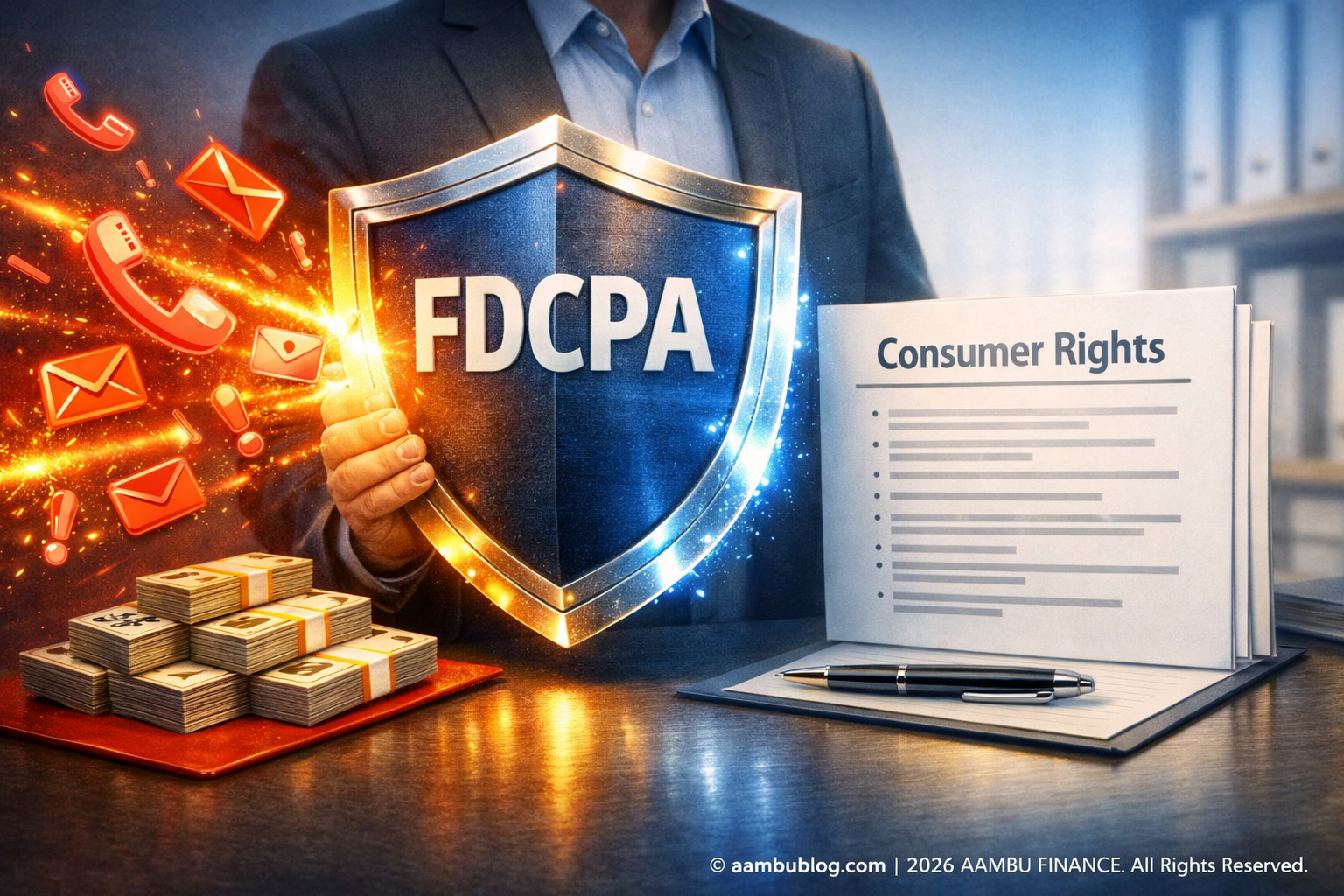
Receiving a phone call or letter from a debt collector can be terrifying. However, being in debt does not mean you lose your rights. In the USA, the Fair Debt Collection Practices Act (FDCPA) is a powerful federal law that protects you from harassment, lies, and unfair treatment by debt collectors. In 2026, these rules also cover how collectors can contact you via social media and email. Here is exactly what collectors can and cannot do, and how you can protect yourself.
What Debt Collectors CANNOT Do
The FDCPA strictly prohibits several behaviors. If a collector does any of these, they are breaking the law:
- Harassment: They cannot use profane language, threaten violence, or call you repeatedly to annoy you.
- Illegal Hours: They generally cannot call you before 8:00 AM or after 9:00 PM (your local time).
- Workplace Calls: If you tell them (verbally or in writing) that your employer doesn’t allow such calls, they must stop calling you at work.
- False Statements: They cannot lie about the amount you owe, pretend to be an attorney, or threaten you with arrest (being in debt is not a crime in the USA).
3 Steps to Take When a Collector Calls
1. Demand Validation: Within 5 days of contacting you, a collector must send you a “Validation Notice” in writing. This must state exactly how much you owe and the name of the original creditor. Do not pay a penny until you receive this.
2. Send a “Cease and Desist” Letter: You have the right to tell a collector to stop contacting you entirely. Once they receive your written request, they can only contact you one last time to say they are stopping or to inform you of a specific legal action (like a lawsuit).
3. Dispute the Debt: If you don’t think you owe the money, you have 30 days after receiving the validation notice to send a dispute letter. Once you dispute, the collector must stop collection activities until they provide proof of the debt.
New Rules for 2026: Social Media & Email
Debt collectors can now message you on platforms like Facebook or Instagram, but they must follow strict rules:
- They must identify themselves as a debt collector.
- The message must be private (they cannot post on your public wall).
- They must provide a simple way for you to “opt-out” of receiving digital messages.
Conclusion
Knowledge is your best defense. If a debt collector is harassing you, keep a log of every call and save every letter. You can report violations to the Consumer Financial Protection Bureau (CFPB) or even sue a collector for damages. Don’t let them bully you into a financial corner.
Frequently Asked Questions (FAQs)
Q1. Can a debt collector take money directly from my paycheck? Answer: Not without a court order. This is called “Wage Garnishment.” They must sue you and win a judgment in court before they can touch your paycheck.
Q2. How long can a debt be collected? Answer: Most negative debts fall off your credit report after 7 years. However, the “Statute of Limitations” (the time they can sue you) varies by state (usually 3 to 10 years).
Q3. Does paying an old debt delete it from my credit report? Answer: Usually, no. It will change the status to “Paid Collection,” which is better than “Unpaid,” but the record of the collection remains. You can try a “Pay for Delete” negotiation, though it is not guaranteed.
Q4. Can a collector talk to my neighbors or family about my debt? Answer: No. They can only contact third parties once to find your address or phone number. They are legally forbidden from telling anyone else that you owe money.
Q5. Should I ignore debt collectors? Answer: No. Ignoring them can lead to a lawsuit and a “default judgment” against you. It is better to communicate in writing and know your rights.